

VESSEL DUE F (Sulodexide) Capsules/Injections
- $125.00
What Is Vessel Due F (Sulodexide)?
Vessel Due F (Sulodexide) is an antithrombotic medicine used to treat chronic venous ulcers — long-lasting skin wounds associated with impaired venous circulation, most commonly affecting the lower legs.
Its active ingredient, sulodexide, has heparin-like properties and influences blood coagulation.
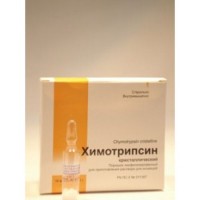
Vessel Due F is available in two forms: 250-unit oral capsules and 600-unit injections in two-milliliter ampoules.
The injectable form may be used during the initial treatment phase when symptoms are acute or severe, followed by a course of oral capsules.
Because sulodexide affects blood clotting, Vessel Due F requires particular caution in people with bleeding disorders or those taking other anticoagulant medicines.
The choice of formulation, dosage, and treatment duration depends on the individual treatment plan established by a healthcare professional.
What Is Vessel Due F Used For?
Vessel Due F (Sulodexide) is used for the treatment of chronic venous ulcers, which are persistent skin wounds associated with impaired blood flow through the veins, particularly in the lower legs.
These ulcers commonly develop when the veins have difficulty returning blood from the legs toward the heart. Increased pressure in the veins can affect surrounding tissues and contribute to skin damage and delayed wound healing.
The active ingredient, sulodexide, belongs to the group of antithrombotic medicines and has heparin-like properties that influence blood coagulation.
Vessel Due F capsules and injections provide two administration options for treating chronic venous ulcers. The injectable form may be used during the initial phase of treatment, particularly when symptoms are acute or severe, followed by oral capsules.
Treatment generally involves a structured course, with the dosage and duration determined by the treating healthcare professional.
Vessel Due F should be used according to the recommended treatment regimen, especially when other medicines affecting blood clotting are being taken.
How Are Vessel Due F Capsules Taken?
The recommended capsule schedule is one capsule by mouth twice daily, between meals, for 30 to 40 days. The full treatment course is generally repeated at least twice a year. The treating clinician may modify the dosage or treatment schedule. Capsules are intended for oral use, not injection.
How Are Vessel Due F Injections Given?
The injectable form is administered into a muscle or vein. The recommended schedule is one ampoule once daily for 15 to 20 days. After this phase, treatment typically continues with Vessel Due F capsules for 30 to 40 days. The injectable solution contains sodium chloride and water for injections and appears clear, from pale yellow to yellow.
Who Should Not Use Vessel Due F?
Vessel Due F must not be used by anyone with hypersensitivity to sulodexide, other ingredients, heparin, or heparin-like substances. It is also contraindicated in hemorrhagic diathesis and conditions associated with reduced blood clotting. Because sulodexide can increase the anticoagulant effects of heparin and oral anticoagulants, periodic monitoring of blood coagulation may be recommended when anticoagulant treatment continues.
Safety and effectiveness have not been established for children or adolescents younger than 18 years. Pregnancy exposure data are limited, and use during pregnancy should preferably be avoided. Vessel Due F must not be used while breastfeeding because transfer into breast milk and possible effects on infants are unknown. The capsules contain preservatives that may cause delayed allergic reactions.
What Side Effects Can Vessel Due F Cause?
Commonly reported reactions include vertigo, upper abdominal pain, diarrhea, and skin rash. Uncommon reactions include headache, fainting, stomach bleeding, eczema, hives, and peripheral swelling. Bleeding at the injection site may also occur with the injectable form.
Other reported reactions with unknown frequency vary by formulation and include nausea, vomiting, dark stools, bruising, deeper tissue swelling, itching, visual disturbances, tremor, and pain or burning during injection. Any suspected adverse reaction should be discussed with a healthcare professional. Bleeding, particularly after excessive dosing, requires urgent medical attention.
How Should Vessel Due F Be Stored?
Store Vessel Due F capsules and injections at temperatures no higher than 30°C (86°F), out of children's reach. Both forms have a stated shelf life of five years and must not be used after the expiration date. Capsules are brick-red and contain a white-to-gray suspension; injection ampoules contain a clear yellowish solution.