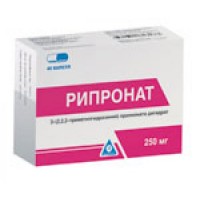


Pantocalcin® (Hopantenic Acid) 250/500 mg, 50 tablets
- $50.00
What is Pantocalcin?
Pantocalcin is a medicine containing hopantenic acid, available in 250 mg and 500 mg tablet strengths. It is used in the management of various conditions affecting the nervous system, including cognitive impairment, developmental disorders, certain movement disorders, and urinary function disturbances.
Pantocalcin is also used as part of comprehensive treatment programs for individuals recovering from brain injuries, neuroinfections, or other neurological conditions that may affect memory, concentration, learning ability, or overall mental performance.
In children, it may be included in treatment plans for developmental delays, speech disorders, cerebral palsy, and certain forms of epilepsy.
The medicine is valued for its role in supporting neurological function and is commonly used in both pediatric and adult patient populations under appropriate medical supervision.
What is Pantocalcin used for?
Pantocalcin may be used for cognitive disorders linked to organic brain conditions or neurotic disorders. It is also used in complex therapy for cerebrovascular insufficiency caused by atherosclerotic changes in brain vessels, early senile dementia, and residual organic brain damage in adults and older people.
Other uses include neurological movement disorders, consequences of neuroinfections and head injuries, epilepsy with slowed mental processes, psycho-emotional overload, reduced mental or physical performance, and support for concentration and memory.
Pantocalcin may also be used for urinary disorders such as enuresis, daytime urinary incontinence, frequent urination, and urgent urges to urinate. In children, it may be prescribed for developmental delays, cerebral palsy, stuttering, and epilepsy as part of combined treatment.
How should Pantocalcin tablets be taken?
Pantocalcin tablets are taken by mouth, usually 15 to 30 minutes after meals. The single dose for adults is generally 0.5 g to 1 g, while the daily adult dose is usually 1.5 g to 3 g. For children, the single dose is usually 0.25 g to 0.5 g, with a daily dose of 0.75 g to 3 g, depending on the condition.
For epilepsy, adults may receive 0.5 g to 1 g three to four times daily, while children may receive 0.25 g to 0.5 g three to four times daily. For urinary disorders, adults may take 0.5 g to 1 g two to three times daily, with a daily dose of 2 g to 3 g. Children’s dosing is individualized by a doctor.
How long is Pantocalcin treatment usually continued?
The usual treatment course lasts from 1 to 4 months. In some cases, treatment may continue for up to 6 months. A repeat course may be considered after 3 to 6 months. Treatment duration depends on the condition, response, and healthcare professional guidance.
Who should not use Pantocalcin?
Pantocalcin should not be used in people with hypersensitivity to hopantenic acid or any tablet ingredient.
It is also contraindicated in acute kidney failure, severe acute kidney disease, and significant blood count abnormalities.
Use during pregnancy and breastfeeding has restrictions.
The 250 mg form is contraindicated during pregnancy and lactation.
The 500 mg form is contraindicated in the first trimester of pregnancy and during breastfeeding.
The 250 mg tablet form is not used in children under 6 years, while the 500 mg form is not used in children under 4 years.
What precautions are important before using Pantocalcin?
During long-term treatment, Pantocalcin should not usually be combined with other nootropic medicines or medicines that stimulate the central nervous system. Caution is advised when driving or operating potentially dangerous machinery at the beginning of treatment because temporary sleepiness or noise in the head may occur.
Can Pantocalcin interact with other medicines?
Pantocalcin may prolong the effect of barbiturates. It may enhance medicines that stimulate the central nervous system, anticonvulsants, and local anesthetics such as procaine or novocaine.
It may reduce side effects associated with phenobarbital, carbamazepine, and antipsychotic medicines. Its effect may increase when used with glycine or xidiphon.
What side effects can Pantocalcin cause?
Rare side effects may include allergic reactions such as rhinitis, conjunctivitis, and skin rash. Very rare nervous system effects may include sleep disturbance, sleepiness, lethargy, headache, dizziness, overexcitement, or noise in the head.
An unknown-frequency risk includes acute hepatic encephalopathy related to pantothenic acid deficiency. Any unusual or worsening reaction should be reported to a healthcare professional.
What should be done after a missed dose or overdose?
If a dose is missed, a double dose should not be taken. In case of overdose, side effects may increase.
Reported measures include gastric lavage, activated charcoal, and symptomatic treatment under medical supervision.
How should Pantocalcin be stored?
Store Pantocalcin in a place protected from light at a temperature not above 25°C or 77°F.
Keep the medicine out of the reach of children.
Do not use the tablets after the expiry date.
The shelf life is 4 years.